Have you ever had one of those days where you sit down, ready to conquer the world, only to find your brain feels like it’s wading through thick mud? I certainly have. For years, I chased the myth of the “always-on” workday, forcing myself to tackle complex analytical reports at 3 PM when my energy had plummeted, while wasting my sharp, morning clarity on mundane emails. It was a recipe for frustration and burnout. My breakthrough came not from a new app or a stricter schedule, but from a simple, almost radical idea: what if I stopped fighting my natural rhythm and started working with it? Productivity isn’t about doing more in less time; it’s about doing the right work at the right time, according to the unique energy landscape of your own mind and body. This is the art of matching tasks to your mental state, a personalized strategy that has transformed not just my output, but my enjoyment of the work itself.
Understanding Your Personal Energy Cycle: It’s Not One-Size-Fits-All
Before we can match tasks to our energy, we need to become detectives of our own internal patterns. We often hear about “morning people” and “night owls,” but our daily energy is more nuanced than that. It flows in waves, influenced by our circadian rhythm, diet, stress, and even the type of work we’ve just done. For me, tracking this was a game-changer. I spent two weeks simply noting my energy and focus levels on an hourly basis, without judgment. I discovered I have a steep peak of analytical energy from about 9 AM to 11:30 AM, a post-lunch creative bump around 2 PM, and a surprising window for administrative clarity in the late afternoon. Your pattern will be uniquely yours. The goal is to move from guessing to knowing. This self-awareness is the foundational map for building a truly effective and sustainable productivity system that honors your human design, rather than ignoring it.
- Peak Energy (High-Focus, High-Cognitive): This is your prime mental real estate. Your brain is sharp, distractions bounce off, and complex problems seem solvable. For most, this occurs in the morning, but your peak is whenever you feel that natural, untapped clarity and drive.
- Moderate Energy (Creative, Connective): As the intense focus of your peak wanes, a different kind of energy often emerges. This is a fantastic time for brainstorming, collaborative meetings, strategic thinking that doesn’t require heavy analysis, and creative tasks that benefit from a slightly more diffuse, associative state of mind.
- Low Energy (Administrative, Maintenance): This is the trough. Willpower is low, focus is fragmented, and demanding cognitive work feels exhausting. Crucially, this isn’t “bad” time—it’s simply time for a different category of work. Fighting it leads to poor quality output and resentment.
- Recovery Energy (Learning, Planning, Rest): Often overlooked, these are moments of intentional low-output. It could be a short walk, listening to a podcast related to your field, organizing your digital files, or sketching out plans for tomorrow. This time replenishes your mental resources and is vital for preventing burnout.
The Task-Energy Matrix: Your Blueprint for Strategic Work
Once you have a rough map of your energy zones, the next step is to categorize your tasks with brutal honesty. I created what I call my “Task-Energy Matrix.” I took every recurring item on my to-do list and asked: “What kind of mental fuel does this truly require?” I was shocked to see how many high-cognitive tasks I had been relegating to my low-energy slumps. The matrix creates a simple, visual guide for pairing. The rule is non-negotiable: defend your high-energy blocks for high-energy tasks. This means scheduling them like critical appointments and communicating your focus time to colleagues. When you align a demanding task with a capable mental state, work flows. You enter a state of deep work more easily, the quality of your output soars, and you finish feeling accomplished rather than drained.
- Deep Work Tasks (For Peak Energy): Writing original content or code, complex data analysis, solving intricate problems, strategic planning, learning a new and difficult skill. These are your most valuable activities—guard this time fiercely.
- Creative & Collaborative Tasks (For Moderate Energy): Brainstorming sessions, giving or receiving feedback, designing presentations, networking calls, writing first drafts where perfection isn’t the goal. Your social and connective brain is online here.
- Shallow Work & Administration (For Low Energy): Clearing your email inbox, filing expenses, data entry, scheduling, routine phone calls, organizing your workspace. These are necessary but not cognitively demanding.
- Replenishment Tasks (For Recovery): Reading industry articles, listening to educational audio, light planning for the week ahead, tidying your task manager, or even a mindful break with no digital input. This is active recovery, not procrastination.
Practical Systems for Dynamic Energy Management
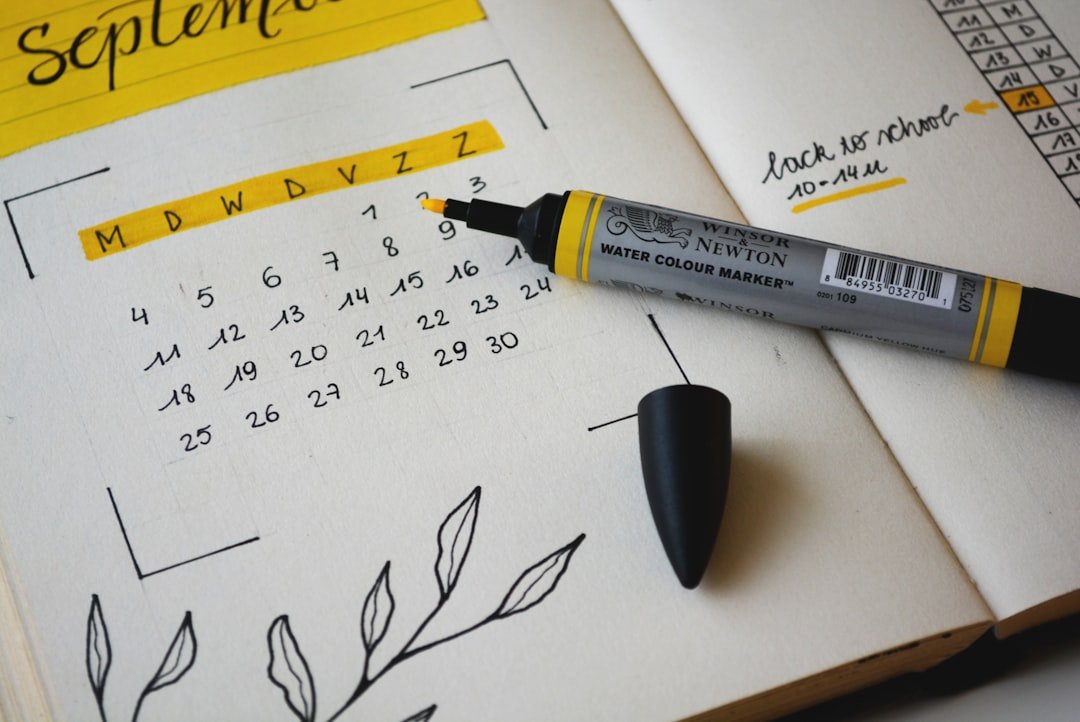
Knowing the theory is one thing; implementing it in a chaotic world is another. I had to build flexible systems. My calendar is now color-coded by energy type. I time-block my peak hours for “Deep Work” in red, making it sacred. I also adopted a “dynamic to-do list.” Instead of one monolithic list, I have three columns: “High-Energy,” “Medium-Energy,” and “Low-Energy.” Each morning, I consult my energy forecast (am I well-rested or dragging?) and pull tasks from the appropriate column. This removes the guilt of not tackling a complex report on a low day—it wasn’t even an option I presented myself. Furthermore, I’ve learned to insert deliberate “energy shifters”—a 10-minute walk, a glass of water, some deep breathing—to gently transition between task types, which helps manage the natural dips and prevents an afternoon crash from derailing the entire day.
This approach to productivity for different energy levels requires a shift in mindset from rigid efficiency to adaptive effectiveness. It’s about respecting your biology. Some days your peak energy might be shorter; that’s okay. The system flexes. The ultimate goal is sustainable performance. By consistently matching tasks to your mental state, you reduce the friction and anxiety of work, produce higher-quality outcomes, and protect your most valuable asset: your focused attention and well-being. You stop trying to be a machine that operates at one constant speed and start thriving as the dynamic, rhythmic human you are.